
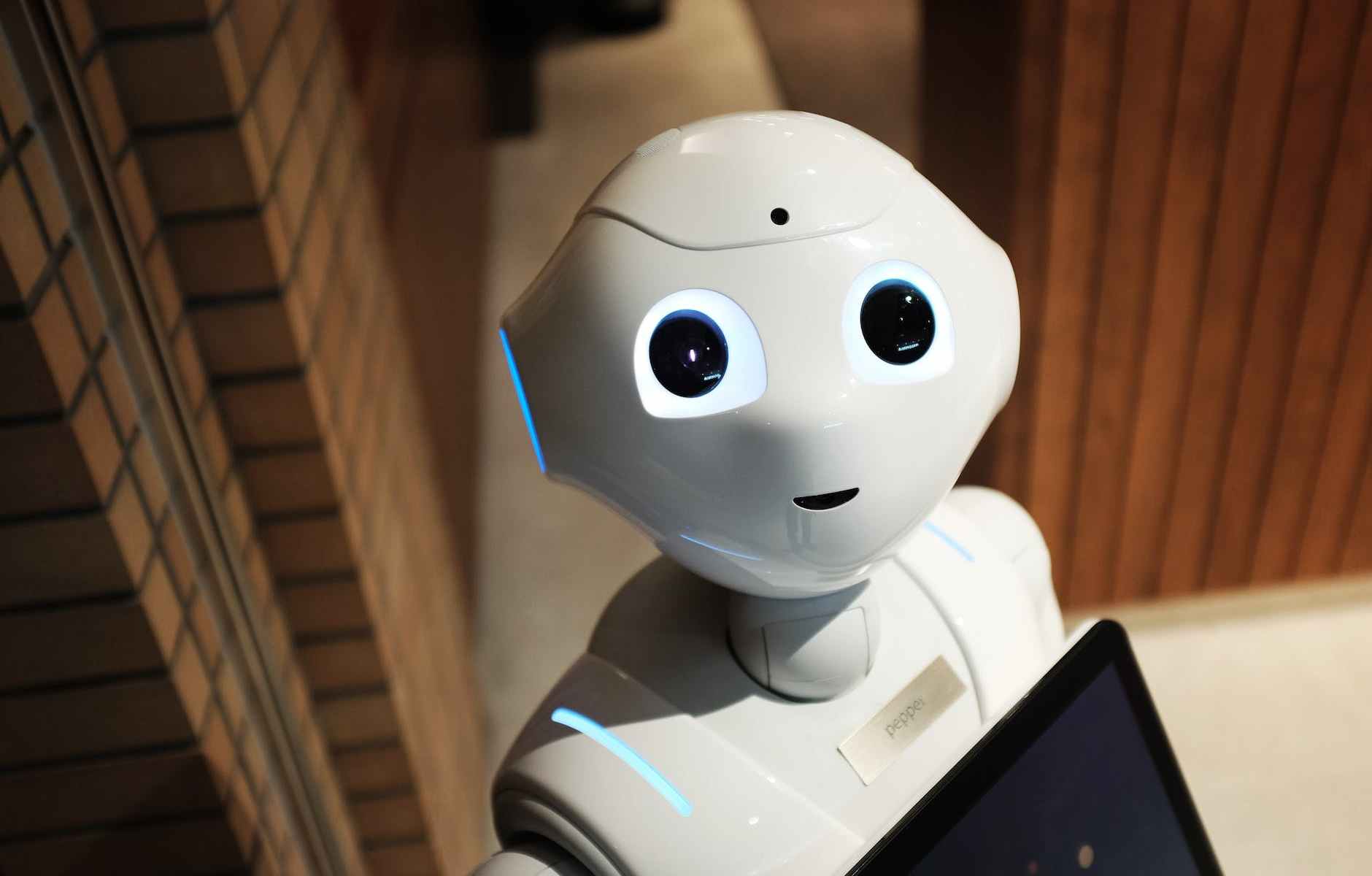
This was asked in a recent London Stock Exchange webinar, so I though it would be fun to ask ChatGPT what it thought. It got a little over-excited, but here goes…
In the swirling vortex of the digital revolution, one question has risen to prominence: can artificial intelligence ever truly replace roles anchored deeply in relationship and engagement? The undercurrent of this debate resonates especially when we zero in on professions like that of the Investor Relations Officer.
At its core, Investor Relations is not merely about disseminating information or presenting data. It’s an intricate dance of trust-building, interpreting unspoken sentiments, and navigating the often tumultuous waters of stakeholder expectations. It requires a delicate balance of logic and emotion, a symphony of the objective and subjective.
AI, with its staggering computational abilities and predictive prowess, undeniably offers a treasure trove of advantages. But can it authentically engage, build trust, and foster long-lasting relationships in the same way a human can? Or is there an irreplaceable essence to human connection that AI can’t emulate, no matter how advanced?
As we navigate the intricacies of Investor Relations in this digital age, it’s evident that the roles of AI and human IR Officers are not at odds but rather in harmony. Together, they forge a pathway that marries efficiency with empathy, data with discernment.
AI, with its unparalleled data processing and predictive capabilities, brings a level of precision and speed that can supercharge an IR team. It automates, it analyzes, and it accentuates the best of what technology has to offer, streamlining tasks and offering insights that were once beyond reach.
Yet, for all its marvel, AI remains a tool—a sophisticated and immensely powerful one, but a tool nonetheless. It cannot replace the innate human ability to connect on a deep emotional level, to understand the subtle undertones in a conversation, or to build trust through genuine, heartfelt interactions. An Investor Relations Officer, with their insights, intuition, and intrinsic emotional intelligence, embodies these very human strengths.
The future of Investor Relations, therefore, is not about choosing between AI and humans but embracing the strengths of both. While AI will undoubtedly continue to revolutionize the operational facets of the profession, the essence of investor relations—the human connection—remains irreplaceable. In this symphony of tech and touch, the melody of genuine relationships will always play the loudest.
Actually, I don’t disagree with this conclusion, although personally I would dial back on the use of “marvel” and “symphony”! In summary, AI can’t replace an IRO, but it can free up time for them to do the more valuable (and fun) relationship building and strategic decision making.
Now, because I prefer to be a little more practical, and a little less effusive, than ChatGPT, here are the main areas where I can see AI improving the efficiency and effectiveness of the IR team.
- Chatbots and Translation Tools. AI-driven chatbots can serve as the first point of contact, addressing basic investor inquiries and freeing up time for IR officers. At it’s most basic, this could tackle the FAQs – how do I change my address, what do I do if a shareholder has died, when is the ex-dividend date etc. I’d also be a fan of language translation tools powered by AI for improved communication with international stakeholders.
- Data Analysis and Forecasting. This gives access to real-time insights into market trends, investor behaviours, and potential opportunities or threats. As an easy starting point, I can see myself using it on competitor reporting days to compare their results and market reactions to our own performance.
- First drafts. Preparing first drafts of press releases and social media posts is time consuming, and many of us find it much easier to edit rather than get the words onto a blank sheet of paper. If AI can provide a good solid starting point, I’m up for exploring this. I am going to add a big fat caveat here re confidential/ price sensitive info which clearly limits the use.
- Outsourcing admin tasks. I could come up with a list of things to try here and see if they work for you: writing up meeting notes (from a recording?) and summarising action points, preparing Board reports, drafting event plans, etc. But I’m sure as we get more comfortable and the AI evolves, this is going to be a really key area.
- Investor targeting. I’ve heard several people suggest AI is good at investor targeting, although I’m yet to be convinced. I like the qualitative insights from a sales force, but I’m sure it can be a useful addition and challenge to the traditional targeting methods.
What would you add to the above?
Now, before we get carried away, and before I sound super pro-AI (I think I’m currently modestly pro-AI), I’m going to flag my concerns, in addition to the obvious relationship building and strategic decision making ones. And they are big.
- Data quality. We all know AI has a tendency to “hallucinate”, and will swear on its life that it is not making things up when challenged. Everything needs to be checked. Also, while AI can provide data, it lacks the emotional intelligence to read between the lines, gauge underlying sentiments, or foster genuine empathy. An IR officer, on the other hand, can sense nuances, build rapport, and offer reassurances that only a human can.
- Lack of expertise. It is going to struggle with technical/ unique aspects of any business. And given these are almost certainly critical to your investment thesis, this is an issue.
- Crisis management. In moments of crises, be it a financial downturn or a PR nightmare, what investors seek is clarity, honesty, and empathy. Such sensitive scenarios demand a human touch.
- Regulatory challenges. It goes without saying regulation is complex, and I don’t trust an AI to replace legal counsel. Or to be up-to-date on new/ emerging regulation.
- Ethical concerns. Investor relations isn’t just about sharing the right information; it’s also about upholding a company’s values and ethical standards. While AI can provide data, it can’t weigh the ethical implications of a decision or communication. This moral compass is intrinsically human.
- Cost, skills, and resources to implement and use AI tools.
And one final thought. If you are going to integrate AI into your IR operations, please get a (human) legal advisor to prepare a policy on the use of AI. This should provide “guardrails” covering matters such as handling confidential information, verification protocols, permitted platforms etc.
Are you going to give it a try? Have you tested it already?
 IR-connect